

Introduction

Sustainable roofing solutions represent a fundamental shift in building practices that prioritize environmental responsibility, energy efficiency, and long-term performance while reducing the ecological footprint of construction projects. These innovative roofing systems integrate advanced materials, renewable energy technologies, and nature-based solutions to create buildings that contribute positively to environmental sustainability goals.

The demand for sustainable roofing solutions has grown exponentially as building owners, architects, and policymakers recognize the critical role that roofing systems play in overall building performance and environmental impact. Modern sustainable roofing encompasses diverse technologies including solar integration, green roof systems, cool roofing materials, and recycled content products that address multiple sustainability objectives simultaneously.

Energy efficiency represents a primary driver for sustainable roofing adoption, with advanced insulation systems, reflective materials, and integrated renewable energy technologies reducing building energy consumption by 20-50% compared to conventional roofing systems. These efficiency improvements translate directly into reduced operational costs and lower carbon emissions over the building’s operational lifetime.

Environmental benefits of sustainable roofing extend beyond energy efficiency to include stormwater management, air quality improvement, urban heat island reduction, and habitat creation. These multi-functional systems address critical urban environmental challenges while providing superior building protection and performance compared to traditional roofing materials.

The economic case for sustainable roofing continues to strengthen as technology costs decrease, government incentives expand, and building codes increasingly require sustainable building practices. Forward-thinking building owners and developers recognize sustainable roofing as essential investments that provide competitive advantages in increasingly environmentally conscious markets.

This comprehensive guide explores the full spectrum of sustainable roofing solutions, examining technologies, benefits, implementation strategies, and future trends that position sustainable roofing as a cornerstone of responsible building design and construction practices.

1. Types of Sustainable Roofing Materials and Systems

Sustainable roofing solutions encompass a diverse array of materials and systems designed to minimize environmental impact while maximizing performance, durability, and energy efficiency. Understanding these different options helps building owners and designers select optimal solutions for specific climate conditions, building types, and sustainability objectives.

Primary Sustainable Roofing Categories:

  • Recycled content roofing materials reducing waste and resource consumption
  • Bio-based materials utilizing renewable agricultural and forestry products
  • Metal roofing systems offering longevity and recyclability benefits
  • Clay and concrete tiles providing thermal mass and durability
  • Membrane systems with enhanced insulation and reflective properties
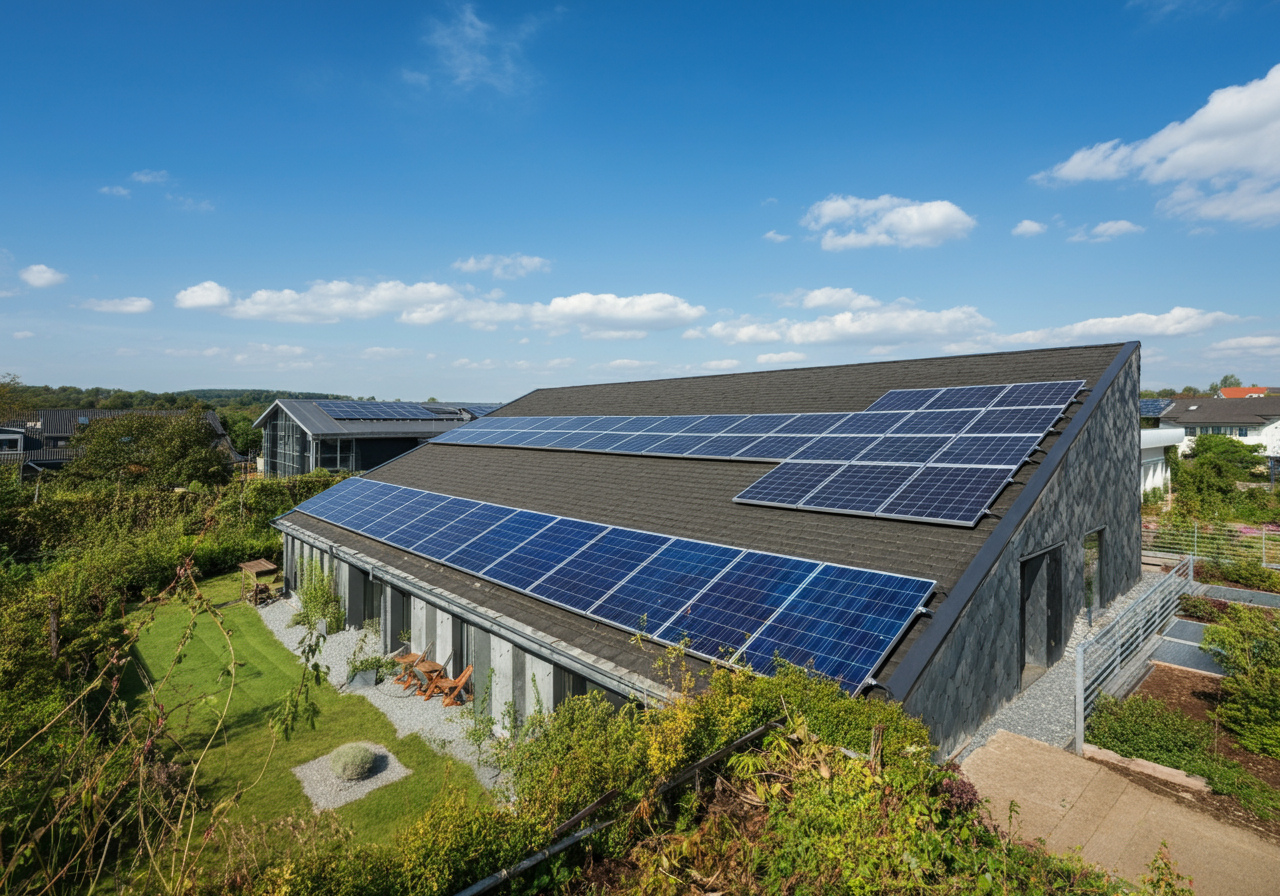
  • Integrated photovoltaic systems combining protection with energy generation
  • Living roof systems supporting vegetation and biodiversity
  • Cool roofing materials reducing heat absorption and energy consumption

Recycled content roofing materials utilize post-consumer and post-industrial waste streams to create high-performance roofing products that divert materials from landfills while reducing demand for virgin resources. These materials include recycled metal roofing, rubber shingles made from recycled tires, and composite products incorporating recycled plastics and wood fibers.

Bio-based roofing materials leverage renewable resources including sustainably harvested wood, agricultural waste products, and natural fiber composites that sequester carbon while providing excellent weather protection. These materials often feature lower embodied energy compared to petroleum-based alternatives while supporting rural economies and sustainable forestry practices.

Metal roofing systems exemplify circular economy principles through their exceptional durability, recyclability, and energy efficiency benefits. Modern metal roofing can last 50-100 years while maintaining recyclability at end-of-life, and reflective coatings reduce cooling energy requirements by reflecting solar radiation rather than absorbing heat.

Integrated photovoltaic roofing systems combine building protection with renewable energy generation, utilizing building-integrated photovoltaics (BIPV) that serve dual functions as weatherproofing and power generation. These systems maximize rooftop productivity while reducing overall system costs compared to separate roofing and solar installations.

2. Energy Efficiency and Performance Benefits

Sustainable roofing solutions deliver substantial energy efficiency improvements that reduce building operational costs while minimizing environmental impact through decreased energy consumption and associated carbon emissions. These performance benefits make sustainable roofing financially attractive while supporting broader climate change mitigation objectives.

Key Energy Performance Advantages:

  • Enhanced insulation properties reducing heating and cooling loads
  • Solar reflectance capabilities minimizing heat gain during summer months
  • Thermal mass benefits stabilizing indoor temperatures
  • Air sealing improvements reducing energy losses through infiltration
  • Integrated renewable energy generation offsetting building energy consumption
  • Passive cooling strategies reducing mechanical system requirements
  • Daylighting integration reducing artificial lighting needs
  • Smart building integration optimizing energy management systems

Enhanced insulation performance represents the most fundamental energy benefit of sustainable roofing systems, with advanced materials and installation techniques reducing heat transfer through the building envelope. High-performance insulation systems can achieve R-values of 30-60 or higher, dramatically reducing heating and cooling energy requirements compared to minimally insulated conventional roofing.

Cool roofing technologies utilize highly reflective materials and coatings that reflect 65-90% of solar radiation, preventing heat absorption that would otherwise increase cooling loads. These systems can reduce roof surface temperatures by 50-100°F compared to dark conventional roofing, translating to significant cooling energy savings in hot climates.

Thermal mass benefits occur with materials like concrete and clay tiles that absorb heat during the day and release it slowly at night, moderating temperature swings and reducing peak heating and cooling demands. This thermal flywheel effect improves comfort while reducing energy system sizing requirements and operational costs.

Integrated renewable energy systems including solar photovoltaics and solar thermal collectors transform roofing systems from energy consumers to energy producers, potentially achieving net-zero or net-positive energy performance. These integrated systems maximize space efficiency while reducing installation costs compared to separate roofing and energy systems.

Smart building integration enables dynamic optimization of roofing system performance through sensors, controls, and automation that respond to weather conditions, occupancy patterns, and energy prices to minimize energy consumption and costs while maintaining optimal comfort conditions.

3. Environmental Impact and Climate Benefits

Sustainable roofing solutions provide significant environmental benefits that extend far beyond individual buildings to contribute to broader ecosystem health, climate change mitigation, and urban environmental quality improvements. These systems address multiple environmental challenges simultaneously while creating positive ecological impacts.

Primary Environmental Benefits:

  • Carbon footprint reduction through lower embodied energy and operational emissions
  • Stormwater management reducing urban runoff and water pollution
  • Air quality improvement through pollutant filtration and oxygen production
  • Urban heat island mitigation reducing metropolitan temperature increases
  • Biodiversity support through habitat creation and native plant communities
  • Resource conservation through recycled content and renewable materials
  • Waste reduction through durability and end-of-life recyclability
  • Water conservation through rainwater harvesting and efficient irrigation

Carbon footprint reduction occurs through multiple pathways including reduced manufacturing emissions from recycled content materials, lower operational energy consumption, and carbon sequestration in living roof systems. Life cycle analyses demonstrate that sustainable roofing systems typically achieve 30-70% lower carbon footprints compared to conventional alternatives over their operational lifespans.

Stormwater management benefits include rainfall retention, peak flow reduction, and water quality improvement through natural filtration processes. Green roofs can retain 40-80% of annual rainfall while membrane systems with detention capabilities provide controlled release that reduces strain on urban infrastructure during storm events.

Air quality improvements result from vegetation on living roofs that filter particulate matter, absorb carbon dioxide, and produce oxygen while reducing the formation of ground-level ozone through temperature moderation. Studies indicate that widespread adoption of sustainable roofing can measurably improve urban air quality, particularly in dense metropolitan areas.

Urban heat island mitigation occurs through reduced heat absorption and increased evapotranspiration from vegetated systems, combined with reflective properties of cool roofing materials. These effects can reduce urban temperatures by 2-8°F, decreasing energy consumption while improving comfort and public health outcomes.

Biodiversity support through living roof systems creates habitat for birds, insects, and other urban wildlife while supporting native plant communities that enhance ecological connectivity within urban environments. These green infrastructure networks provide stepping stones for wildlife movement and genetic diversity maintenance.

4. Cost Analysis and Return on Investment

The economic performance of sustainable roofing solutions has improved dramatically as technology advances reduce costs while energy savings, incentives, and other benefits provide compelling returns on investment. Understanding these financial factors helps building owners make informed decisions about sustainable roofing investments.

Economic Considerations and Benefits:

  • Initial cost premiums offset by long-term operational savings
  • Energy cost reductions providing ongoing financial returns
  • Government incentives and tax credits reducing upfront investments
  • Property value increases from sustainable building features
  • Insurance premium reductions for resilient roofing systems
  • Maintenance cost savings from durable, long-lasting materials
  • Utility rebates for energy efficiency and demand reduction
  • Revenue generation opportunities through renewable energy production

Initial cost analysis reveals that sustainable roofing systems typically carry 10-50% higher upfront costs compared to conventional alternatives, depending on system complexity and technology integration. However, these premiums have decreased significantly as markets mature and production scales increase, with some sustainable options now cost-competitive with conventional systems.

Energy cost savings provide the most predictable return on investment, with documented reductions of 15-40% in heating and cooling costs depending on climate conditions and system performance. These savings compound over the system’s 20-50 year lifespan, often exceeding initial cost premiums within 5-15 years.

Government incentives including federal tax credits, state rebates, and local grants can reduce upfront costs by 20-50% for qualifying sustainable roofing installations. Solar roofing systems benefit from federal investment tax credits, while green roofs may qualify for stormwater management incentives and LEED certification bonuses.

Property value increases have been documented in multiple markets, with sustainable building features commanding premium rents and sale prices. Studies indicate that buildings with sustainable roofing systems achieve 3-7% higher property values while attracting environmentally conscious tenants and buyers.

Insurance benefits include premium reductions for impact-resistant materials, fire-resistant systems, and wind-resistant installations that reduce claim risks. Some insurers offer specific discounts for sustainable building features that demonstrate lower risk profiles and enhanced resilience.

5. Installation and Maintenance Best Practices

Successful implementation of sustainable roofing solutions requires specialized knowledge, proper installation techniques, and ongoing maintenance strategies that maximize system performance and longevity. These best practices ensure that sustainable roofing investments deliver expected benefits while minimizing long-term costs and performance issues.

Installation Excellence Factors:

  • Professional contractor selection with sustainable roofing expertise
  • Proper structural assessment and reinforcement when necessary
  • Quality material sourcing from certified sustainable manufacturers
  • Weather-appropriate installation timing and techniques
  • Comprehensive quality control and performance testing
  • Integration with building systems including HVAC and electrical
  • Warranty protection and performance guarantees
  • Post-installation monitoring and commissioning procedures

Professional contractor selection represents the most critical factor in sustainable roofing success, with specialized training and experience essential for proper installation of advanced materials and integrated systems. Certified contractors understand the unique requirements of sustainable roofing technologies and can avoid common installation errors that compromise performance.

Structural assessment ensures that existing buildings can support the additional loads associated with some sustainable roofing systems, particularly intensive green roofs and integrated solar installations. Professional structural engineers should evaluate load-bearing capacity and recommend reinforcement when necessary to ensure safety and code compliance.

Quality material sourcing from reputable manufacturers with third-party certifications ensures that sustainable roofing products meet performance specifications and environmental standards. Certified products provide warranty protection and performance guarantees that protect building owners’ investments while ensuring expected sustainability benefits.

Installation timing and weather considerations are particularly important for sustainable roofing systems that include living components or require specific curing conditions. Proper planning ensures optimal installation conditions while minimizing weather-related delays and performance issues.

Integration with building systems requires coordination between roofing contractors and other trades to ensure proper connections with HVAC, electrical, plumbing, and control systems. This coordination is essential for integrated systems like solar roofing and smart building technologies.

Maintenance Strategy Components:

  • Regular inspection schedules identifying potential issues early
  • Preventive maintenance programs extending system lifespan
  • Performance monitoring tracking energy and environmental benefits
  • Vegetation management for living roof systems
  • Cleaning and coating maintenance for reflective systems
  • Component replacement planning and budgeting
  • Professional service contracts ensuring expert care
  • Documentation and record-keeping supporting warranty claims

6. Future Trends and Innovations in Sustainable Roofing

The future of sustainable roofing solutions is shaped by emerging technologies, evolving environmental requirements, and innovative applications that expand the potential benefits and performance of these systems. These developments position sustainable roofing as increasingly sophisticated and valuable components of high-performance building design.

Emerging Technologies and Trends:

  • Smart roofing systems with integrated sensors and automation
  • Advanced photovoltaic integration including flexible and transparent solar cells
  • Bio-based materials from agricultural waste and renewable resources
  • Self-healing materials extending system lifespan and reducing maintenance
  • Phase change materials providing enhanced thermal regulation
  • Atmospheric water generation systems producing potable water from air
  • Carbon-negative materials that sequester more carbon than they emit
  • Modular systems enabling easy installation and future modifications

Smart roofing technology incorporates sensors, controls, and connectivity that enable real-time monitoring and optimization of roofing system performance. These systems can automatically adjust ventilation, irrigation, and energy generation while providing building operators with detailed performance data and predictive maintenance alerts.

Advanced photovoltaic integration includes building-integrated photovoltaics (BIPV) that seamlessly blend with roofing materials, flexible solar films that conform to curved surfaces, and transparent solar cells that provide weather protection while generating electricity. These technologies maximize energy generation potential while maintaining aesthetic appeal.

Bio-based material innovation focuses on agricultural waste streams, rapidly renewable resources, and engineered biological materials that provide superior performance while sequestering carbon and supporting circular economy principles. These materials often feature lower costs and improved sustainability compared to conventional alternatives.

Self-healing materials utilize embedded healing agents or shape-memory properties that automatically repair minor damage, extending system lifespan while reducing maintenance requirements. These advanced materials show particular promise for membrane roofing systems exposed to extreme weather conditions.

Phase change materials (PCMs) integrated into roofing systems absorb and release thermal energy to moderate temperature swings, reducing heating and cooling loads while improving comfort. Advanced PCM formulations provide enhanced thermal regulation while maintaining long-term stability and performance.

7. Regulatory Framework and Building Codes

The regulatory landscape for sustainable roofing solutions continues to evolve as building codes, environmental standards, and energy efficiency requirements increasingly mandate or incentivize sustainable building practices. Understanding these regulatory frameworks helps building owners navigate compliance requirements while maximizing available incentives and benefits.

Key Regulatory Considerations:

  • International building codes incorporating sustainable roofing standards
  • Energy efficiency requirements driving sustainable roofing adoption
  • Environmental regulations addressing stormwater management and air quality
  • Green building certification programs including LEED and ENERGY STAR
  • Local zoning ordinances supporting sustainable building practices
  • Utility regulations enabling net metering and renewable energy integration
  • Insurance requirements for resilient and sustainable building features
  • Tax policy supporting sustainable building investments through credits and deductions

International building codes increasingly incorporate provisions for sustainable roofing systems, with updated standards addressing installation requirements, performance criteria, and safety considerations for green roofs, solar integration, and advanced materials. These code updates provide clear guidance for designers and contractors while ensuring public safety and system reliability.

Energy efficiency mandates at state and local levels drive adoption of sustainable roofing solutions through requirements for minimum insulation levels, cool roofing materials in hot climates, and renewable energy integration for new construction and major renovations. These mandates create market demand while leveling the playing field for sustainable technologies.

Environmental regulations addressing stormwater management, air quality, and carbon emissions increasingly recognize sustainable roofing as effective compliance strategies. Green infrastructure requirements and carbon reduction mandates position sustainable roofing as essential tools for regulatory compliance while providing multiple co-benefits.

Green building certification programs including LEED, BREEAM, and ENERGY STAR provide frameworks for sustainable roofing evaluation while offering market recognition and financial incentives for high-performance installations. These programs drive innovation while providing standardized metrics for sustainable roofing performance assessment.

8. Case Studies and Real-World Applications

Successful implementations of sustainable roofing solutions across diverse building types and climate conditions demonstrate the practical benefits and performance potential of these systems. These real-world examples provide valuable insights for building owners, designers, and policymakers considering sustainable roofing investments.

Notable Sustainable Roofing Projects:

  • Commercial office buildings achieving net-zero energy performance
  • Residential developments incorporating integrated solar roofing systems
  • Industrial facilities utilizing cool roofing for energy efficiency
  • Educational institutions featuring living roofs for research and education
  • Healthcare facilities implementing sustainable roofing for patient wellness
  • Municipal buildings demonstrating leadership in sustainable practices
  • Retail centers combining aesthetics with environmental performance
  • Historic renovations integrating sustainable technologies sensitively

The Bullitt Center in Seattle exemplifies commercial sustainable roofing excellence, featuring integrated photovoltaics, rainwater harvesting, and high-performance insulation that contribute to the building’s net-zero energy and water performance. The project demonstrates how sustainable roofing can be central to achieving the highest levels of building performance while maintaining architectural quality.

Residential sustainable roofing applications include Tesla’s Solar Roof tiles that integrate seamlessly with traditional roofing materials while generating renewable energy, and green roof installations in urban areas that provide private outdoor space while managing stormwater and reducing energy consumption.

Industrial sustainable roofing focuses primarily on cool roofing systems that reduce energy consumption in large warehouse and manufacturing facilities, with white thermoplastic membranes and reflective coatings providing substantial cooling energy savings in hot climates while improving worker comfort.

Educational institutions utilize sustainable roofing as teaching tools and research platforms, with living roofs providing outdoor classrooms and research opportunities while demonstrating sustainable practices to students and the broader community.

Healthcare facilities implement sustainable roofing to support patient wellness through improved air quality, natural lighting, and healing garden spaces while reducing operational costs and environmental impact.

Conclusion

Sustainable roofing solutions represent a mature and rapidly advancing field that provides measurable environmental, economic, and performance benefits for buildings across all sectors and climate conditions. The integration of advanced materials, renewable energy technologies, and nature-based solutions creates roofing systems that contribute positively to sustainability goals while providing superior building protection and performance.

The economic case for sustainable roofing continues to strengthen as technology costs decrease, energy savings increase, and government incentives expand. Building owners increasingly recognize sustainable roofing as sound investments that provide competitive advantages in environmentally conscious markets while reducing long-term operational costs and risks.

Technological innovation drives continuous improvement in sustainable roofing performance, with emerging technologies including smart systems, advanced materials, and integrated energy generation expanding the potential benefits and applications of these systems.

Regulatory support through building codes, energy efficiency standards, and environmental requirements creates favorable conditions for sustainable roofing adoption while ensuring that these systems meet safety and performance requirements.

The future of sustainable roofing is characterized by increasing sophistication, integration, and performance as these systems become essential components of high-performance building design that addresses climate change, resource conservation, and urban environmental challenges while providing superior value for building owners and occupants.

Sustainable roofing systems often outperform conventional alternatives in extreme weather conditions due to their enhanced durability and resilience features. Metal roofing systems resist high winds, hail, and fire while maintaining performance in temperature extremes. Green roofs provide excellent insulation during cold weather and cooling during heat waves while managing stormwater during heavy rainfall. Cool roofing materials maintain performance and appearance under intense UV exposure better than dark conventional materials. Many sustainable roofing systems include impact-resistant and wind-resistant features that reduce damage risk and insurance costs.

Maintenance requirements vary significantly among sustainable roofing systems, with metal roofing requiring minimal maintenance beyond periodic inspection and cleaning, while green roofs need regular vegetation management, irrigation system maintenance, and drainage inspection. Cool roofing systems require periodic cleaning and recoating to maintain reflective properties. Solar roofing systems need panel cleaning and electrical system inspection but generally require less maintenance than separate roofing and solar installations. Most sustainable roofing systems feature longer lifespans than conventional alternatives, reducing long-term maintenance costs despite potentially higher initial maintenance requirements.

Numerous government incentives support sustainable roofing installations, including federal tax credits for solar roofing systems (currently 30% through 2032), state rebates for energy-efficient roofing, and local incentives for green infrastructure including green roofs. Many utilities offer rebates for cool roofing and energy-efficient building improvements. PACE financing programs enable property owners to finance sustainable roofing improvements through property tax assessments. Some municipalities provide expedited permitting, reduced fees, or tax abatements for sustainable building features. Incentive availability varies by location, so building owners should research federal, state, and local programs applicable to their specific projects.

Sustainable roofing systems contribute significantly to LEED certification through multiple credit categories including energy performance, water efficiency, materials selection, and innovation. Green roofs can earn points for stormwater management, heat island reduction, and habitat creation. Solar roofing contributes to renewable energy credits. Recycled content materials earn materials and resources credits. Cool roofing helps achieve heat island reduction credits. Many sustainable roofing systems also contribute to other green building standards including ENERGY STAR, Green Globes, and local green building programs. The specific point values depend on system type, performance level, and project location.

Sustainable roofing materials typically offer equal or superior lifespans compared to conventional alternatives, with metal roofing lasting 50-100 years, green roof systems lasting 40-60 years, and high-performance membrane systems lasting 25-40 years. These extended lifespans often exceed conventional asphalt shingles (15-30 years) and built-up roofing (20-30 years) while providing ongoing environmental and energy benefits. The longer lifespans reduce life-cycle costs and environmental impact through reduced replacement frequency. Many sustainable roofing systems also maintain performance better over time, with less degradation in energy efficiency and weather protection compared to conventional materials.

Most sustainable roofing systems can be retrofitted to existing buildings, though specific requirements vary by system type and building characteristics. Cool roofing materials and coatings can often be applied over existing roofing with minimal structural modifications. Solar roofing systems require structural assessment but can typically be installed on most existing roofs. Green roofs may require structural reinforcement to support additional weight, particularly for intensive systems. Metal roofing can often be installed over existing roofing materials, reducing waste and installation costs. Professional assessment is essential to determine structural capacity, code compliance, and optimal system selection for retrofit applications.

Sources/References

  1. U.S. Green Building Council – LEED Rating System and Sustainable Roofing https://www.usgbc.org/leed
  2. Cool Roof Rating Council – Reflective Roofing Standards and Testing https://coolroofs.org/
  3. Green Roofs for Healthy Cities – Living Roof Standards and Best Practices https://www.greenroofs.org/
  4. U.S. Department of Energy – Energy Efficient Roofing Technologies https://www.energy.gov/energysaver/energy-efficient-home-design/energy-efficient-roofing
  5. National Renewable Energy Laboratory – Building-Integrated Photovoltaics https://www.nrel.gov/pv/building-integrated-photovoltaics.html
  6. Environmental Protection Agency – ENERGY STAR Roof Products https://www.energystar.gov/products/building_products/roof_products
  7. International Code Council – Green Construction Code https://www.iccsafe.org/products-and-services/i-codes/2018-i-codes/igcc/
  8. Sustainable Packaging Coalition – Life Cycle Assessment of Roofing Materials https://sustainablepackaging.org/
Introduction

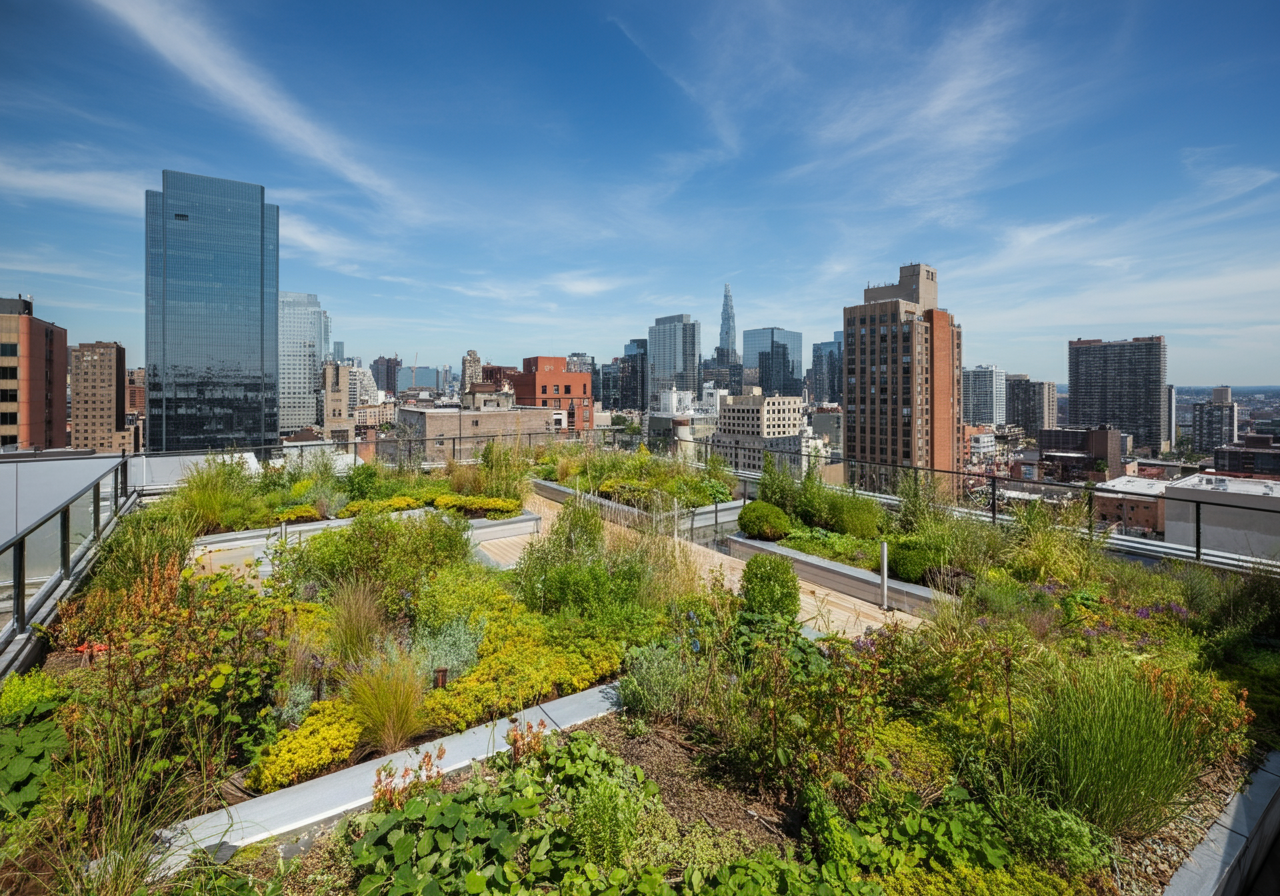
Rooftop gardens USA represents a revolutionary movement transforming underutilized urban spaces into productive, sustainable ecosystems that address food security, environmental challenges, and community wellness across American cities. These elevated growing spaces maximize urban land use while providing fresh produce, educational opportunities, and environmental benefits that enhance quality of life for millions of Americans.

The rooftop gardening movement has gained tremendous momentum throughout the United States, with installations ranging from small residential herb gardens to large-scale commercial farming operations that supply local restaurants and markets. Major metropolitan areas including New York City, Chicago, San Francisco, and Boston have emerged as leaders in rooftop agriculture, demonstrating the viability and scalability of these innovative growing systems.

Modern rooftop garden technology incorporates advanced growing media, efficient irrigation systems, and climate-controlled environments that enable year-round food production in challenging urban conditions. These sophisticated systems address traditional limitations of rooftop growing including weight restrictions, wind exposure, and extreme temperature fluctuations while maximizing productivity and minimizing maintenance requirements.

The economic potential of rooftop gardens continues to expand as technology costs decrease and market demand for locally grown produce increases. Urban farmers, building owners, and communities are discovering multiple revenue streams through direct sales, community-supported agriculture programs, and educational services that make rooftop gardens financially sustainable enterprises.

This comprehensive guide explores the current landscape of rooftop gardens in the USA, examining successful implementations, emerging technologies, policy developments, and future opportunities that position rooftop agriculture as a cornerstone of urban sustainability and food security strategies throughout America.

1. The Rise of Urban Rooftop Agriculture in America

The development of rooftop gardens USA has evolved from grassroots community initiatives to sophisticated commercial operations that contribute significantly to local food systems across American cities. This transformation reflects growing awareness of food security challenges, environmental sustainability concerns, and the economic potential of urban agriculture in maximizing underutilized urban spaces.

Key Drivers of Rooftop Garden Growth:

  • Increasing demand for locally sourced, fresh produce in urban markets
  • Rising real estate costs making ground-level farming economically challenging
  • Environmental benefits including stormwater management and air quality improvement
  • Community development opportunities through educational and social programs
  • Technology advancement making rooftop growing more efficient and profitable
  • Policy support through zoning changes and incentive programs

Major American cities have embraced rooftop agriculture as a solution to multiple urban challenges, with New York City leading the nation in both the number and scale of rooftop garden installations. The city’s comprehensive urban agriculture plan includes support for commercial rooftop farms, community gardens, and educational programs that demonstrate the potential for urban food production.

Chicago’s rooftop garden initiatives focus on community development and food access, with numerous installations in underserved neighborhoods providing fresh produce and educational opportunities. The city’s Green Healthy Neighborhoods program specifically supports rooftop gardens as tools for community empowerment and environmental justice.

West Coast cities including San Francisco, Portland, and Seattle have pioneered innovative approaches to rooftop agriculture that integrate sustainable technology, renewable energy systems, and water conservation practices. These installations serve as models for climate-adaptive urban farming that addresses regional environmental challenges.

The economic impact of rooftop gardens extends beyond food production to include job creation, property value enhancement, and tourism revenue. Studies indicate that buildings with productive rooftop gardens command premium rents and attract environmentally conscious tenants and customers.

2. Types and Design Approaches for American Rooftop Gardens

Rooftop gardens USA encompasses diverse design approaches and growing systems that address varying objectives, climate conditions, and structural limitations. Understanding these different approaches helps property owners, urban farmers, and community organizations select optimal solutions for specific sites and goals.

Primary Rooftop Garden Categories:

  • Container-based systems offering flexibility and weight distribution
  • Raised bed installations providing deeper growing media for diverse crops
  • Hydroponic and aquaponic systems maximizing productivity in limited space
  • Intensive soil-based gardens supporting perennial crops and fruit trees
  • Modular systems enabling easy installation and reconfiguration
  • Greenhouse structures extending growing seasons and crop diversity

Container-based rooftop gardens represent the most accessible entry point for urban growers, utilizing lightweight containers, grow bags, and modular planters that distribute weight evenly across rooftop surfaces. These systems work well for herbs, leafy greens, and compact vegetables while requiring minimal structural modifications to existing buildings.

Raised bed systems provide greater growing depth and soil volume for root vegetables, larger plants, and perennial crops including fruit trees and berry bushes. These installations require careful structural analysis but offer maximum productivity and crop diversity for serious urban farming operations.

Hydroponic rooftop systems maximize space efficiency and water conservation while enabling precise nutrient management and faster growth rates. These soil-less growing methods work particularly well in urban environments where soil quality and weight limitations present challenges for traditional growing approaches.

Greenhouse and hoop house structures extend growing seasons and protect crops from extreme weather conditions, enabling year-round production in northern climates. These controlled environment systems support higher-value crops and provide consistent harvests regardless of seasonal weather patterns.

Integrated design approaches combine multiple growing systems with renewable energy, rainwater harvesting, and composting facilities to create comprehensive urban farming operations that maximize resource efficiency and environmental benefits.

3. Leading Cities and Success Stories in Rooftop Gardening

American cities have pioneered innovative approaches to rooftop gardening that demonstrate the scalability, profitability, and community benefits of urban agriculture. These success stories provide valuable models for municipalities, developers, and entrepreneurs considering rooftop garden investments.

Top Rooftop Garden Cities in America:

  • New York City with Brooklyn Grange and other large-scale commercial farms
  • Chicago leading community-based rooftop garden development
  • San Francisco integrating rooftop gardens with sustainable building practices
  • Boston supporting educational and institutional rooftop installations
  • Detroit utilizing rooftop gardens for urban revitalization efforts
  • Los Angeles developing climate-adaptive rooftop growing systems

Brooklyn Grange operates the world’s largest rooftop soil farm network, with installations across New York City producing over 80,000 pounds of organic vegetables annually. Their success demonstrates the commercial viability of large-scale rooftop agriculture while providing educational programs, event hosting, and community engagement services that diversify revenue streams.

Chicago’s Gary Comer Youth Center features a 8,000-square-foot rooftop garden that serves as an educational facility and community resource, providing fresh produce for the neighborhood while teaching urban agriculture skills to local youth. This installation exemplifies the community development potential of rooftop gardens in underserved areas.

San Francisco’s rooftop garden initiatives focus on integration with green building practices, with installations at major hotels, restaurants, and corporate facilities that supply fresh ingredients while reducing environmental impact. The city’s supportive zoning policies and incentive programs have encouraged widespread adoption across diverse building types.

Boston’s rooftop gardens emphasize institutional partnerships, with installations at hospitals, schools, and universities that provide fresh produce for food service operations while supporting research and educational programs. These partnerships demonstrate sustainable funding models for ongoing rooftop garden operations.

Detroit’s rooftop gardens contribute to broader urban revitalization efforts, transforming vacant and underutilized buildings into productive spaces that provide food access and economic opportunities in neighborhoods affected by urban decline.

4. Technology and Innovation in American Rooftop Gardens

Rooftop gardens USA benefits from continuous technological innovation that addresses traditional challenges of urban growing while improving productivity, efficiency, and profitability. These technological advances make rooftop gardening more accessible and successful for diverse applications and skill levels.

Key Technological Innovations:

  • Automated irrigation systems with soil moisture sensors and weather integration
  • Lightweight growing media engineered for rooftop conditions
  • Wind protection systems designed for exposed rooftop environments
  • Smart monitoring systems tracking plant health and environmental conditions
  • Renewable energy integration powering pumps, lights, and climate control
  • Mobile applications supporting garden management and harvest tracking

Automated irrigation technology has revolutionized rooftop garden management by providing precise water delivery based on plant needs, weather conditions, and soil moisture levels. These systems reduce labor requirements while optimizing water use efficiency, particularly important in drought-prone regions and water-conscious urban areas.

Lightweight growing media specifically formulated for rooftop applications provides optimal plant nutrition while minimizing structural load requirements. These engineered soils incorporate recycled materials, moisture-retention additives, and slow-release fertilizers that reduce maintenance needs and improve plant performance.

Wind protection systems including screens, barriers, and strategic plant placement address one of the primary challenges of rooftop growing. These solutions create microclimates that protect sensitive crops while maintaining air circulation necessary for plant health and pollination.

Smart monitoring technology enables remote garden management through sensors that track temperature, humidity, soil conditions, and plant health indicators. These systems provide alerts for irrigation needs, pest problems, and harvest timing while collecting data that improves long-term garden productivity.

Solar power integration provides sustainable energy for rooftop garden operations including pumps, lighting, and climate control systems. These renewable energy systems reduce operational costs while demonstrating the compatibility of food production with clean energy generation.

5. Economic Benefits and Business Models

The economic landscape for rooftop gardens USA has matured significantly, with diverse business models and revenue streams making these installations financially viable for commercial operators, building owners, and community organizations. Understanding these economic factors helps stakeholders develop sustainable rooftop garden enterprises.

Revenue Streams and Business Models:

  • Direct sales to restaurants, markets, and consumers
  • Community-supported agriculture (CSA) programs with subscription members
  • Educational workshops and corporate team-building events
  • Event hosting including weddings, parties, and corporate functions
  • Consulting services for rooftop garden design and installation
  • Grant funding and sponsorship opportunities for community-focused projects

Commercial rooftop farms generate revenue primarily through direct sales of fresh produce to high-end restaurants, farmers markets, and grocery stores that value locally grown, pesticide-free vegetables. Premium pricing for ultra-fresh, locally grown produce can make rooftop farming profitable despite higher production costs compared to rural agriculture.

Community-supported agriculture programs provide stable revenue through advance payments from members who receive weekly shares of the harvest throughout the growing season. This model works particularly well for community-based rooftop gardens that emphasize education and social engagement alongside food production.

Educational services including workshops, school programs, and corporate team-building events provide significant revenue opportunities while advancing the mission of urban agriculture education. Many successful rooftop gardens generate 30-50% of their revenue from educational and event hosting services.

Property value enhancement represents an important economic benefit for building owners, with rooftop gardens increasing rental rates, occupancy levels, and property values while reducing energy costs through building insulation and cooling effects.

Cost savings through reduced food purchasing, stormwater management benefits, and energy efficiency improvements provide ongoing economic returns that improve the overall financial performance of rooftop garden investments.

6. Future Trends and Opportunities in Rooftop Gardening

The future of rooftop gardens USA is shaped by emerging technologies, evolving consumer preferences, and innovative applications that expand the potential benefits and applications of urban agriculture. These developments position rooftop gardening as an increasingly important component of urban food systems and sustainability strategies.

Emerging Trends and Opportunities:

  • Vertical farming integration maximizing production in limited space
  • Aquaponics systems combining fish farming with vegetable production
  • Climate-controlled environments enabling year-round tropical crop production
  • Robotic systems automating planting, maintenance, and harvesting operations
  • Blockchain technology supporting local food traceability and marketing
  • Integration with smart city infrastructure and urban planning initiatives

Vertical farming technology is being integrated with traditional rooftop gardens to maximize production density while minimizing space requirements. These multi-level growing systems can increase yields by 300-500% compared to single-level installations while providing protection from weather extremes.

Aquaponics systems that combine fish farming with vegetable production are gaining popularity in urban rooftop applications, providing dual protein and vegetable harvests while creating closed-loop systems that minimize water use and waste production.

Climate-controlled rooftop greenhouses enable production of high-value crops including tropical fruits, specialty herbs, and out-of-season vegetables that command premium prices in urban markets. These controlled environments also extend growing seasons and provide consistent production regardless of weather conditions.

Robotic automation is beginning to address labor challenges in rooftop farming through systems that can plant seeds, monitor plant health, and harvest crops with minimal human intervention. These technologies will make rooftop farming more scalable and economically competitive with traditional agriculture.

Policy development at municipal, state, and federal levels increasingly supports urban agriculture through zoning modifications, tax incentives, and grant programs that recognize the multiple benefits of rooftop gardens for food security, environmental sustainability, and community development.

Conclusion

Rooftop gardens USA represents a dynamic and rapidly expanding sector of urban agriculture that provides measurable benefits for food security, environmental sustainability, and community development across American cities. The success of pioneering installations and continuous technological innovation have established rooftop gardening as a viable and valuable component of urban infrastructure.

The economic viability of rooftop gardens continues to improve as technology costs decrease, market demand for local produce increases, and diverse revenue streams provide multiple pathways to financial sustainability. Building owners, urban farmers, and communities increasingly recognize rooftop gardens as sound investments that provide multiple benefits over extended operational periods.

Policy support at all levels of government creates favorable conditions for continued growth in rooftop garden adoption, with zoning modifications, incentive programs, and sustainability mandates encouraging widespread implementation across diverse urban contexts.

Future opportunities for rooftop garden expansion include integration with smart city technologies, automation systems, and climate adaptation strategies that will further enhance productivity and sustainability while addressing evolving urban challenges.

The transformation of American cities through rooftop garden implementation demonstrates the potential for urban agriculture to contribute significantly to local food systems while creating more sustainable, resilient, and livable urban environments for current and future generations.

Rooftop garden startup costs in the USA vary widely based on size, system complexity, and location, typically ranging from $15-50 per square foot for basic installations and $50-200 per square foot for sophisticated commercial systems. Small residential rooftop gardens can be established for $2,000-10,000, while large commercial operations may require $100,000-500,000 in initial investment. Costs include structural assessment, growing containers, soil, irrigation systems, plants, and tools. Many cities offer grants and incentives that can reduce startup costs by 20-50%.

Most American cities require building permits for rooftop garden installations, particularly for permanent structures, electrical work, or plumbing modifications. Requirements vary significantly by municipality, with some cities offering streamlined permitting for rooftop agriculture while others require full structural engineering review. Many cities have developed specific urban agriculture zoning categories that allow commercial food production on rooftops. Building owners should consult local planning departments early in the design process to understand specific requirements and available incentives.

Primary challenges for rooftop gardens in America include structural weight limitations, extreme weather exposure, wind damage, and higher installation costs compared to ground-level gardens. Water access and drainage can be problematic, while extreme temperatures and UV exposure stress plants and growing systems. Maintenance access and safety considerations add complexity and cost to rooftop installations. However, modern technology and design approaches have developed effective solutions for most of these challenges, making rooftop gardening increasingly viable across diverse urban conditions.

Leading cities for rooftop garden support include New York City with comprehensive urban agriculture policies and tax incentives, San Francisco offering expedited permitting and grants, Chicago providing zoning flexibility and community development funding, Boston supporting institutional partnerships and educational programs, and Portland with streamlined regulations and sustainability incentives. Many cities also offer reduced stormwater fees for green infrastructure installations, technical assistance programs, and connections to funding opportunities through economic development and environmental departments.

Sources/References

  1. American Community Gardening Association – Urban Agriculture Resources https://www.communitygarden.org/
  2. USDA National Institute of Food and Agriculture – Urban Agriculture https://nifa.usda.gov/grants/programs/sustainable-agriculture-research-education-sare-program
  3. Brooklyn Grange – Commercial Rooftop Farming Case Study https://www.brooklyngrangefarm.com/
  4. NYC Department of City Planning – Urban Agriculture Guidelines https://www1.nyc.gov/site/planning/zoning/districts-tools/urban-agriculture.page
  5. National Gardening Association – Food Gardening in the U.S. https://gardenresearch.com/
  6. Urban Agriculture Association – Best Practices and Resources https://www.urbanag.org/
  7. Green City Growers – Rooftop Garden Design and Installation https://greencitygrowers.com/
  8. American Society for Horticultural Science – Urban Horticulture Research https://ashs.org/

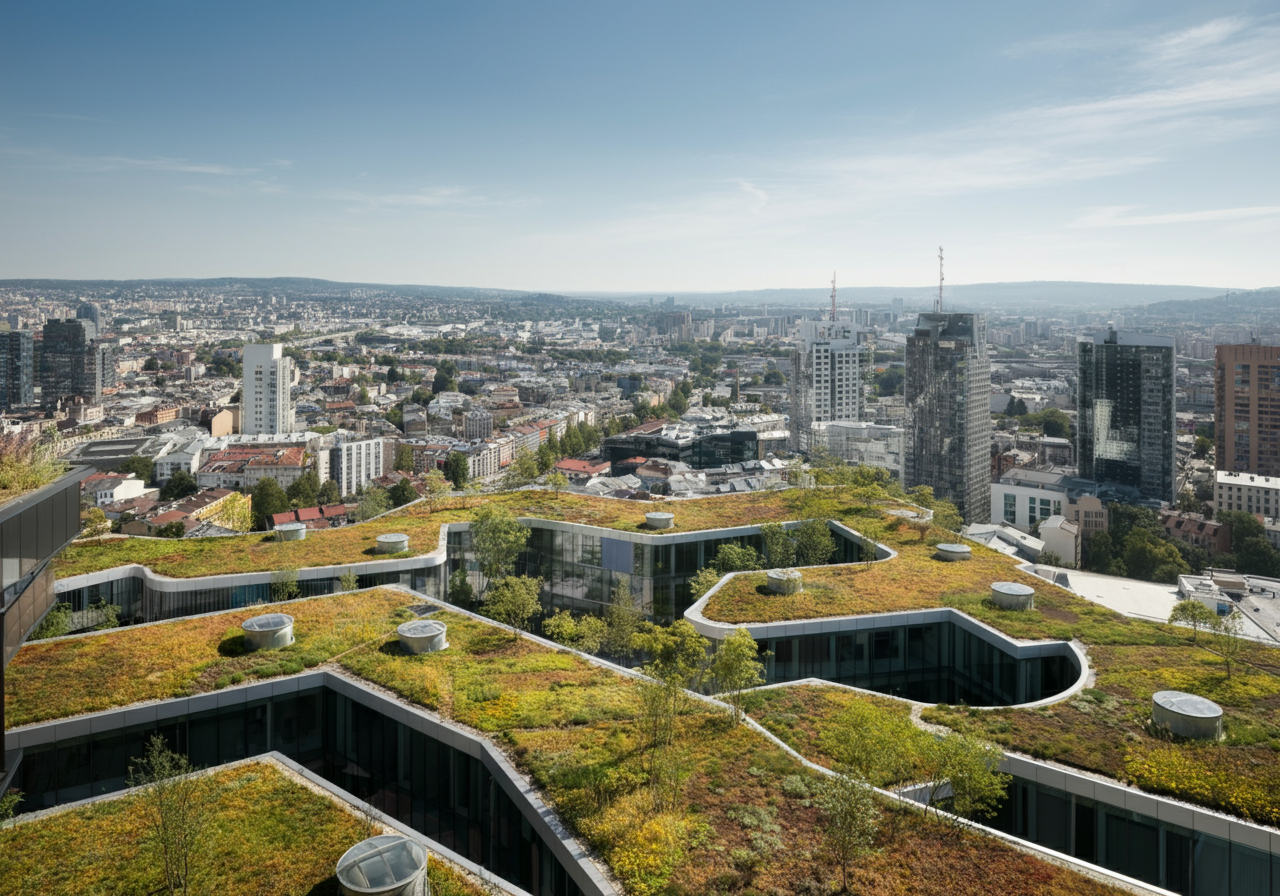
Green roofs America represents a revolutionary approach to sustainable urban development that transforms traditional building practices through innovative rooftop ecosystems. These living architectural systems provide environmental, economic, and social benefits that address critical urban challenges including stormwater management, energy efficiency, air quality improvement, and urban heat island reduction across American cities.

The green roof movement in America has gained significant momentum over the past two decades, with major cities implementing policies and incentives that encourage widespread adoption of these sustainable building systems. From New York City’s comprehensive green roof initiatives to Chicago’s pioneering urban agriculture programs, American cities are leading global efforts to integrate nature into urban infrastructure.

Modern green roof technology offers sophisticated solutions that go far beyond simple rooftop gardens, incorporating advanced drainage systems, lightweight growing media, and carefully selected plant communities that thrive in challenging rooftop environments. These engineered ecosystems provide measurable benefits including reduced energy consumption, improved stormwater management, enhanced biodiversity, and increased property values.

The economic case for green roofs continues to strengthen as technology advances and installation costs decrease, while government incentives and building code modifications make these systems increasingly attractive for developers, building owners, and municipalities seeking sustainable infrastructure solutions.

This comprehensive guide explores the current state of green roofs in America, examining successful implementations, emerging technologies, policy developments, and future opportunities that position green roofing as a cornerstone of sustainable urban development throughout the United States.

1. The Evolution of Green Roofs in American Cities

The development of green roofs America has evolved from experimental installations to mainstream building practices that are reshaping urban landscapes across the nation. This transformation reflects growing awareness of environmental challenges and the need for sustainable infrastructure solutions that address climate change, urbanization pressures, and resource conservation requirements.

Key Milestones in American Green Roof Development:

  • Early adoption in major metropolitan areas during the 1990s
  • Policy development and incentive programs in leading cities
  • Technology advancement and standardization of installation practices
  • Integration with LEED certification and sustainable building standards
  • Expansion from commercial to residential and institutional applications
  • Development of regional plant communities and climate-specific solutions

Major American cities have emerged as global leaders in green roof implementation, with New York City’s mandate requiring green roofs on new construction and Chicago’s comprehensive urban sustainability programs serving as models for municipalities worldwide. These pioneering efforts demonstrate the scalability and effectiveness of green roof systems in diverse urban environments.

The economic drivers supporting green roof adoption have strengthened considerably, with demonstrated returns on investment through energy savings, stormwater management benefits, and increased property values. Federal and state tax incentives, combined with municipal rebate programs, have made green roofs financially attractive for building owners and developers.

Technology advancement has addressed early concerns about structural requirements, maintenance complexity, and plant survival rates, with modern systems offering reliable performance and reduced maintenance requirements compared to traditional roofing systems.

Regional adaptation has become increasingly sophisticated, with green roof designs tailored to specific climate zones, local plant communities, and regional environmental challenges. This localization ensures optimal performance while supporting native ecosystems and reducing maintenance requirements.

2. Environmental Benefits of Green Roofs Across America

Green roofs America provides substantial environmental benefits that address critical urban sustainability challenges while creating measurable improvements in air quality, water management, and energy efficiency. These living systems function as urban ecosystems that support biodiversity while mitigating the environmental impacts of dense urban development.

Primary Environmental Advantages:

  • Stormwater management through rainfall absorption and retention
  • Urban heat island reduction through evapotranspiration and shading
  • Air quality improvement through pollutant filtration and oxygen production
  • Energy efficiency enhancement through natural insulation properties
  • Biodiversity support through habitat creation for urban wildlife
  • Carbon sequestration contributing to climate change mitigation

Stormwater management represents one of the most significant benefits of green roofs in American cities, where aging infrastructure struggles to handle increasing rainfall intensity and urban runoff. Green roofs can retain 40-80% of annual rainfall, reducing peak flow rates and decreasing the burden on municipal stormwater systems while improving water quality through natural filtration processes.

Urban heat island reduction occurs through the natural cooling effects of vegetation and evapotranspiration, with green roofs reducing surface temperatures by 30-80°F compared to conventional roofing materials. This cooling effect extends beyond individual buildings to influence neighborhood-scale temperature patterns, particularly beneficial in dense urban areas.

Air quality improvements result from the natural air filtration capabilities of vegetation, with green roofs removing particulate matter, nitrogen oxides, and other pollutants from urban air while producing oxygen. Studies in major American cities demonstrate measurable air quality improvements in areas with concentrated green roof installations.

Energy efficiency benefits include reduced heating and cooling costs through enhanced insulation properties, with green roofs providing R-values significantly higher than conventional roofing systems. Building owners report energy savings of 15-30% annually, with greater savings in extreme climate conditions.

3. Leading Green Roof Cities and Success Stories

American cities have pioneered innovative approaches to green roof implementation, creating successful models that demonstrate the practical benefits and scalability of these sustainable infrastructure systems. These urban success stories provide valuable insights for municipalities, developers, and building owners considering green roof investments.

Top Green Roof Cities in America:

  • New York City with mandatory green roof requirements and extensive installations
  • Chicago leading urban agriculture and green infrastructure initiatives
  • Washington D.C. implementing comprehensive stormwater management programs
  • Portland pioneering eco-roof technology and policy development
  • San Francisco integrating green roofs with renewable energy systems
  • Seattle combining green roofs with urban biodiversity conservation

New York City has emerged as America’s green roof capital, with over 1,000 green roof installations covering more than 42 million square feet of rooftop space. The city’s Local Law 92 and Local Law 94 require new construction and major renovations to incorporate green roofs or renewable energy systems, driving widespread adoption across all building types.

Chicago’s green roof program began with City Hall’s demonstration project in 2001 and has expanded to include hundreds of installations throughout the metropolitan area. The city’s focus on urban agriculture and food security has created unique opportunities for productive green roofs that serve community needs while providing environmental benefits.

Washington D.C.’s green roof initiatives focus primarily on stormwater management, with the Department of Energy and Environment providing rebates and technical assistance for green roof installations. The city’s combined sewer overflow reduction goals have made green roofs essential infrastructure investments for municipal sustainability objectives.

Portland’s eco-roof program has supported over 400 installations since 2008, with the city providing financial incentives and streamlined permitting processes. The program’s focus on native plant communities and habitat creation has enhanced urban biodiversity while demonstrating the compatibility of green roofs with regional ecosystems.

4. Types and Technologies of American Green Roof Systems

Green roof technology in America encompasses diverse system types and innovative technologies that address varying performance requirements, climate conditions, and building applications. Understanding these different approaches helps building owners and designers select optimal solutions for specific projects and environmental conditions.

Green Roof System Categories:

  • Extensive green roofs with shallow growing media and low maintenance
  • Intensive green roofs supporting diverse plant communities and recreational use
  • Semi-intensive systems balancing performance with maintenance requirements
  • Modular systems offering flexibility and easier installation processes
  • Blue-green roofs integrating stormwater retention with vegetation
  • Living walls and vertical green systems extending green roof concepts

Extensive green roof systems represent the most common installation type in America, featuring 2-6 inches of lightweight growing media supporting drought-tolerant plant communities. These systems provide excellent environmental benefits with minimal maintenance requirements, making them attractive for commercial and institutional applications where ongoing maintenance resources may be limited.

Intensive green roof systems create rooftop parks and gardens with deeper growing media supporting diverse plant communities including trees, shrubs, and recreational spaces. While requiring greater structural support and maintenance investment, these systems provide maximum environmental benefits and can serve as valuable community amenities in dense urban areas.

Modular green roof systems have gained popularity for their installation flexibility and maintenance advantages, with pre-vegetated modules that can be easily installed, replaced, or reconfigured as needed. These systems work particularly well for retrofit applications and buildings with complex rooftop configurations.

Blue-green roof technology combines stormwater retention capabilities with vegetation benefits, incorporating detention areas that temporarily store rainfall while supporting plant growth. These hybrid systems maximize stormwater management benefits while providing the environmental and aesthetic advantages of traditional green roofs.

5. Economic Impact and Financial Incentives

The economic landscape for green roofs America has evolved significantly, with improving cost-benefit ratios and expanding financial incentive programs making these systems increasingly attractive investments. Understanding the economic factors and available incentives helps building owners make informed decisions about green roof implementation.

Economic Benefits and Considerations:

  • Energy cost savings through improved building insulation and cooling
  • Stormwater management fee reductions in participating municipalities
  • Increased property values and marketability for green building features
  • Extended roof membrane life through protection from weather extremes
  • Potential revenue generation through urban agriculture applications
  • Tax credits and rebate programs at federal, state, and local levels

Energy cost savings represent the most predictable economic benefit of green roofs, with documented reductions in heating and cooling expenses ranging from 15-30% annually depending on climate conditions and building characteristics. These savings compound over the system’s 40-60 year lifespan, often exceeding initial installation costs.

Stormwater management benefits provide direct cost savings in municipalities with stormwater utility fees, where green roof installations can qualify for significant rate reductions. Cities like Philadelphia, Portland, and Washington D.C. offer substantial ongoing savings for buildings that reduce stormwater runoff through green infrastructure.

Property value increases have been documented in multiple markets, with green roof buildings commanding premium rents and sale prices compared to conventional buildings. These premiums reflect both the environmental benefits and the marketing advantages of sustainable building features in competitive real estate markets.

Federal tax incentives include accelerated depreciation for green roof installations and potential qualification for renewable energy tax credits when combined with solar installations. State and local incentive programs vary widely but can provide substantial upfront cost reductions through rebates, grants, and tax credits.

6. Future Trends and Innovations in American Green Roofing

The future of green roofs America is shaped by emerging technologies, evolving policy frameworks, and innovative applications that expand the potential benefits and applications of these sustainable building systems. These developments position green roofs as increasingly important components of urban infrastructure and climate resilience strategies.

Emerging Trends and Technologies:

  • Smart green roof systems with integrated sensors and automated management
  • Solar-green roof combinations maximizing rooftop productivity
  • Vertical farming integration for urban food production
  • Climate-adaptive plant communities responding to changing conditions
  • Prefabricated systems reducing installation time and costs
  • Integration with smart city infrastructure and data networks

Smart green roof technology incorporates sensors, automated irrigation systems, and data analytics to optimize performance while reducing maintenance requirements. These systems can monitor soil moisture, plant health, and environmental conditions while providing real-time performance data to building managers and municipal authorities.

Solar-green roof combinations, known as “biosolar” systems, maximize rooftop productivity by integrating photovoltaic panels with vegetation. These hybrid systems provide renewable energy generation while maintaining the environmental benefits of green roofs, with improved solar panel efficiency due to the cooling effects of vegetation.

Urban agriculture applications are expanding rapidly, with green roofs supporting commercial food production, community gardens, and educational programs. These productive systems address food security concerns while providing economic returns that help offset installation and maintenance costs.

Climate adaptation strategies increasingly incorporate green roofs as essential infrastructure for urban resilience, with plant communities selected for their ability to thrive under changing climate conditions while providing maximum environmental benefits during extreme weather events.

Conclusion

Green roofs America represents a mature and rapidly expanding industry that provides measurable environmental, economic, and social benefits for urban communities across the nation. The success of pioneering cities and the development of sophisticated technologies have established green roofs as essential components of sustainable urban infrastructure.

The economic case for green roofs continues to strengthen as technology advances reduce costs while expanding incentive programs improve financial returns. Building owners, developers, and municipalities increasingly recognize green roofs as sound investments that provide multiple benefits over extended operational lifespans.

Policy development at federal, state, and local levels supports continued growth in green roof adoption, with building codes, incentive programs, and sustainability mandates creating favorable conditions for widespread implementation. These policy frameworks position America as a global leader in green roof technology and application.

Future opportunities for green roof expansion include integration with smart city technologies, combination with renewable energy systems, and adaptation for climate resilience applications. These emerging applications will further enhance the value proposition for green roofs while addressing evolving urban challenges.

The transformation of American cities through green roof implementation demonstrates the potential for sustainable infrastructure to address multiple urban challenges simultaneously while creating more livable, resilient, and environmentally responsible communities for future generations.

Green roof costs in America typically range from $15-25 per square foot for extensive systems and $25-80 per square foot for intensive installations, depending on system complexity, plant selection, and regional factors. These costs include materials, installation, and initial establishment but exclude structural modifications that may be required. Federal, state, and local incentive programs can reduce upfront costs by 20-50%, while long-term energy savings and other benefits provide ongoing economic returns.

Leading cities for green roof incentives include New York City with tax abatements and grants, Chicago with rebate programs and streamlined permitting, Washington D.C. with stormwater fee reductions, Portland with eco-roof incentives, and San Francisco with expedited permitting for green buildings. Many cities also offer reduced stormwater utility fees for buildings that manage rainfall onsite through green infrastructure, providing ongoing operational savings.

Green roof installations typically require building permits in most American jurisdictions, with requirements varying by city and system type. Extensive green roofs may qualify for simplified permitting processes, while intensive systems usually require full structural engineering review and landscape architecture plans. Many cities have developed streamlined permitting processes for green roofs to encourage adoption, and some offer expedited review for projects meeting specific sustainability criteria.

Plant selection for American green roofs depends on regional climate conditions, with drought-tolerant sedums and grasses common in arid western regions, native wildflowers and perennials popular in temperate zones, and heat-tolerant species essential in southern climates. Successful installations typically use regionally appropriate plant communities that require minimal irrigation and maintenance while providing habitat for local wildlife. Many cities have developed approved plant lists specific to their climate conditions and environmental goals.


Sources/References

  1. Green Roofs for Healthy Cities – North American Green Roof Industry Report https://www.greenroofs.org/
  2. U.S. Environmental Protection Agency – Green Roofs and Cool Roofs https://www.epa.gov/heatislands/using-green-roofs-reduce-heat-islands
  3. National Park Service – Technical Preservation Services Green Roofs https://www.nps.gov/tps/sustainability/new-technology/green-roofs/
  4. American Society of Landscape Architects – Green Roof Resources https://www.asla.org/sustainabledesign/greenroofs.html
  5. NYC Department of Environmental Protection – Green Infrastructure https://www1.nyc.gov/site/dep/water/green-infrastructure.page
  6. Chicago Green Roofs – City of Chicago Environment https://www.chicago.gov/city/en/depts/mayor/supp_info/green_roof_progra.html
  7. Green Building Alliance – Green Roof Benefits and Costs https://www.go-gba.org/resources/green-building-methods/green-roofs/
  8. Urban Land Institute – Green Roof Development Best Practices https://uli.org/research/centers-initiatives/building-healthy-places-initiative/